

Storefront Signage in 2026: What Modern Businesses Need to Stand Out In 2026, storefront signage continues to play a critical role in how businesses are discovered, perceived, and trusted. Long before a customer interacts with a website or speaks to a salesperson, a storefront sign sets expectations about professionalism, credibility, and quality. As competition increases and visual environments become more crowded, businesses are becoming more intentional about how their storefront signs look, how long they last, and how clearly they communicate a brand message. A well-designed storefront sign is not decoration. It is a foundational brand asset. Visibility Is the First Requirement The primary job of a storefront sign is visibility. If a sign cannot be easily read or recognized, it cannot do its job. Modern storefront signage must account for: High contrast between background and lettering, proper font selection, and thoughtful sizing all contribute to readability. In many cases, simplifying the message improves visibility more than increasing size or adding effects. A storefront sign should communicate who you are and what you do in seconds. Durability Matters More Than Ever Storefront signs are long-term investments. Businesses expect them to perform year after year while exposed to sun, heat, wind, and weather. Material selection plays a major role in how well a sign holds up over time. Aluminum panels, acrylic faces, quality vinyl graphics, and properly sealed components all contribute to durability. In regions with strong sun exposure and seasonal storms, poor material choices can lead to fading, warping, or premature failure. Choosing durable materials protects both the appearance of the sign and the brand it represents. Design Simplicity Builds Brand Recognition Storefront design trends in 2026 closely mirror what is happening in fleet branding. Simpler designs are proving more effective than complex layouts. Successful storefront signs often feature: A storefront sign does not need to explain everything. Its purpose is recognition and confidence. When signage is clear and consistent, customers feel more comfortable walking through the door. Lighting Is No Longer Optional Lighting has become a standard expectation for storefront signage. A business that is difficult to see after sunset loses visibility during a large portion of the day. Common lighting approaches include: Modern LED systems offer efficient, even lighting with long service life. Proper illumination ensures a storefront remains visible and professional, even outside normal business hours. Storefront Signs Should Align With Overall Company Branding One of the most important trends in 2026 is brand consistency across physical touchpoints. Storefront signs and fleet graphics should feel like parts of the same system. When colors, typography, and layout are aligned across storefront signage and vehicles, brand recognition increases significantly. Customers begin to recognize the business before reading the name. This alignment strengthens credibility and reinforces brand presence across neighborhoods, job sites, and commercial corridors. Storefront Signage as a Revenue Asset A storefront sign works continuously. It does not rely on clicks, impressions, or monthly budgets. It communicates with every passerby, every day. A professionally designed and installed storefront sign can: For many businesses, storefront signage is one of the most cost-effective marketing tools available. Looking Ahead In 2026, the most effective storefront signage programs focus on visibility, durability, and clarity. Businesses that invest in quality materials, thoughtful design, and professional execution create storefronts that stand out for the right reasons. Storefront signs work best when they are simple, consistent, and built to last.
Fleet Branding in 2026: How Smart Enterprises Are Designing Fleets That Last
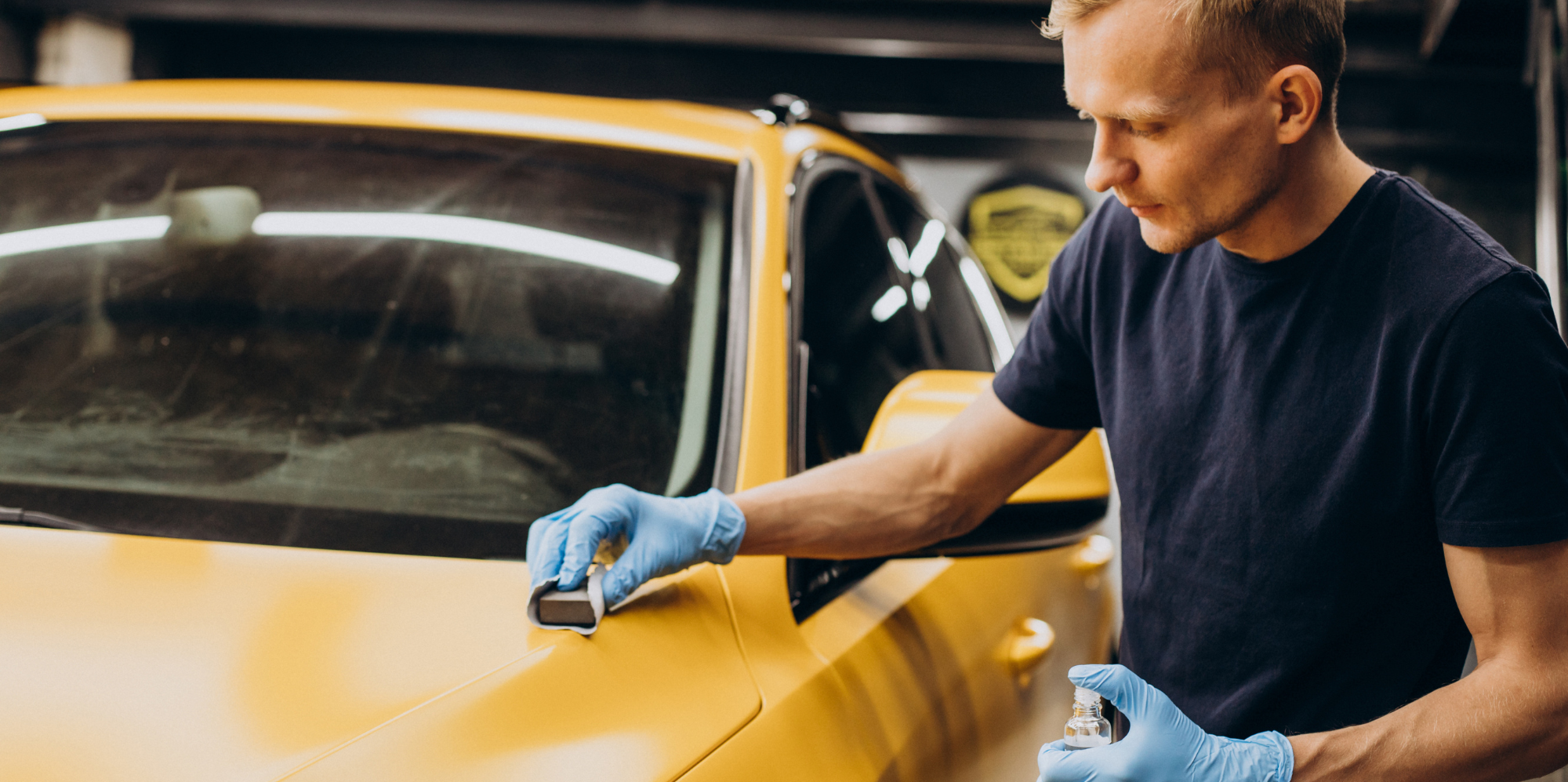
Fleet Branding in 2026: How Smart Enterprises Are Designing Fleets That Last Fleet branding in 2026 is about performance, consistency, and long-term brand impact. Companies are becoming more intentional about how their vehicles look, how they age, and how easily they can adapt as brands evolve. A fleet is one of the most visible marketing assets a company owns. When designed correctly, fleet graphics and commercial vehicle wraps function as a dependable, long-term marketing channel, regardless of company size. Building Fleets Around Durable Color Systems One of the biggest changes in professional vehicle wraps in recent years is how companies approach color. Rather than relying solely on printed wrap films for color and graphics, many enterprises are now building fleets around solid-color foundations. Using 3M 2080 Series color change films as a base wrap creates a strong, uniform color across every vehicle. These films are engineered for outdoor performance and stability, and they carry warranties that reflect their durability. On vertical surfaces, 3M 2080 films are designed to maintain color and integrity for multiple years under typical road conditions. This approach is especially effective for fleets that require consistent branding across vans, trucks, and specialty vehicles. Many fleets today are kept in service longer than they were a decade ago. Wrap longevity and appearance become strategic considerations when vehicles are in operation for five years or more. High-quality vinyl wraps may retain their appearance for five to seven years under ideal conditions, but exposure to sun, heat, and daily use often brings visible fading and wear sooner if material selection is not optimized. View the 3M Wrap Film Series 2080 warranty (PDF) Solid-color wraps deliver factory-level color consistency, excellent resistance to UV exposure, and a refined appearance that holds up well across large surface areas. These qualities make them ideal for long-term fleet wrap programs, especially for enterprises that want a base color that remains vibrant throughout the vehicle’s lifecycle. Printed graphics are then applied on top of the color change film to introduce logos, typography, and accent elements. This layered approach allows fleet branding to remain bold and readable while maintaining a clean, professional look. Because printed films are applied over a durable base color, visibility and contrast remain strong even as vehicles age or see high mileage. High-quality printed graphics themselves can also last multiple years in the field with proper material selection and installation, further supporting long-term brand consistency. Why Layered Wrap Systems Deliver Better Results Pairing solid-color wraps with printed fleet graphics provides both visual impact and operational flexibility. Printed graphics produced on 3M IJ180mC-10 and protected with professional overlaminates are engineered for long-term outdoor performance and clean removability. Gloss, matte, and luster laminate options allow brands to fine-tune the final appearance based on visibility, glare control, and brand standards. This strategy allows enterprises to update messaging, phone numbers, or service offerings without rewrapping entire vehicles. For companies managing growing fleets, this reduces downtime and helps control long-term vehicle graphics costs. Simpler Designs Are Driving Stronger Brand Recognition Fleet graphic design trends continue to favor clarity and recognition over complexity. Clean layouts and strong contrast improve readability at speed and help brands stand out in traffic. At the same time, companies are becoming more thoughtful about how much of a vehicle truly needs to be wrapped to achieve strong visual impact. A full vehicle wrap remains the most visually striking option and is often the best choice for brands that want maximum presence and complete color control. Full wraps allow designers to treat the vehicle as a single canvas and deliver the highest level of brand immersion. That said, full coverage is not the only effective solution. Many businesses are achieving excellent results through strategic alternatives that balance appearance, performance, and budget. Common approaches include: When designed correctly, these options maintain a professional, high-end appearance while reducing material usage and installation time. The result is cost efficiency without sacrificing visual quality or brand integrity. In 2026, designers are being challenged to think more strategically. The focus is shifting toward creative problem-solving that maximizes impact while respecting real-world budgets. Strong fleet branding is no longer defined by coverage alone, but by how intelligently design, materials, and placement are used together. A vehicle has only a few seconds to make an impression. Clear, confident, and well-planned fleet graphics build recognition and trust quickly, regardless of whether the solution is a full wrap or a more targeted application.ression. Clear and confident fleet graphics build recognition and trust quickly. Material Selection Is a Strategic Decision Material selection plays a major role in how commercial vehicle wraps perform over time. The right materials protect color accuracy, reduce maintenance issues, and make future updates easier. Using color change films for primary branding and printed overlays for messaging allows fleets to adapt as businesses grow. Service offerings change, contact information updates, and branding evolves. A layered wrap system supports those changes without unnecessary rework. For enterprises, material strategy is part of brand management, not just installation. Smarter Fleet Branding Through Automation Automation continues to improve how large fleet wrap projects are managed. While creative design and installation remain hands-on, technology is helping streamline logistics. Fleet managers are using automation to: These systems help reduce delays and keep fleet branding programs on schedule. Consistency Across Regions Builds Brand Trust As companies expand into new markets, consistency becomes critical. Fleets that look different from one region to another weaken brand recognition. To address this, enterprises are adopting standardized fleet branding guidelines that include approved materials, color specifications, vehicle templates, and installation standards. Working with a professional fleet wrap company like Up Signs help ensure consistent results across all locations. Fleet Branding as a Revenue Asset Fleet branding is no longer viewed as an expense. Professionally installed vehicle wraps and fleet graphics deliver continuous exposure with no recurring ad spend. A well-branded fleet provides: For many enterprises, fleet graphics outperform traditional advertising on a cost-per-impression basis. Looking Ahead The most successful fleet branding programs in


